For miniatures, the printer technology matters more than the brand: resin wins. A modern MSLA (resin) printer captures the crisp faces, weapons, and textures that make a tabletop mini look great — detail that filament printers can't match at 28–32mm scale. This guide covers what to prioritize, our category picks for 2026, the post-processing gear you actually need, and when a service bureau is the smarter call.
This post contains affiliate links. If you purchase through these links, 3D Prototyping Hub may earn a small commission at no extra cost to you.
This post also contains Amazon affiliate links. As an Amazon Associate I earn from qualifying purchases.
Why Resin, Not Filament, for Minis
FDM (filament) printers build parts by laying down melted plastic in layers. That's great for large, sturdy objects — including terrain and scenery — but at miniature scale the layer lines and nozzle width blur fine detail. Resin printers cure liquid resin one ultra-thin layer at a time using a high-resolution LCD, reproducing sharp edges, facial features, and surface texture that look right under paint. For the minis themselves, resin is the only serious choice. If you want the full resin landscape beyond minis, see our best resin 3D printers in 2026 guide.
What to Prioritize for Miniatures
- Screen resolution — a high-resolution monochrome LCD (look for fine XY pixel size) is what captures detail
- Mono LCD — faster curing and far longer screen life than older RGB panels; standard in 2026
- Build plate size — small plates are fine for single heroes; larger plates batch a whole unit at once
- Z-axis precision — smooth, consistent layers mean clean curved surfaces
- A mature slicer and community — pre-supporting minis is a skill; popular printers have the most tutorials
Category Picks for 2026
Best detail — the hobby standard. Anycubic's Photon resin line has been a miniatures favorite for years, and the current high-resolution mono models capture crisp tabletop detail at a friendly price. Anycubic's resin printer lineup is a low-risk entry point with a deep community and broad accessory support — exactly what you want while you learn to support and slice minis.
Best value — the community benchmark. Elegoo's Mars (compact) and Saturn (large-plate) printers set the price-to-detail standard for mini makers. Elegoo's Mars and Saturn resin printers offer excellent detail per dollar; the compact Mars is ideal for single heroes and small batches, while the larger Saturn plate prints a full squad in one run. The community and pre-made support profiles are everywhere.
Best for batch printing armies. If you're building wargaming armies, plate size is everything — a bigger build area means more minis per print and fewer overnight runs. The large-format Elegoo Saturn and Anycubic's bigger Photon plates are the picks here; both are covered in the links above.
The Gear You Actually Need
The printer is only half the setup. Budget for post-processing:
Wash & cure. Resin prints come off the plate sticky and uncured. A combined station automates both steps. An Anycubic Wash & Cure station makes cleanup fast, clean, and consistent — well worth it over a manual alcohol bath and a window sill.
Resin. Start with a quality standard high-detail resin for display minis. For gaming minis that get handled and transported, an ABS-like or tough resin resists snapped spears and antennae. Mini-focused resins and tough blends are inexpensive — many makers blend standard and tough resin to balance detail and durability.
Safety and consumables. Nitrile gloves, a respirator or solid ventilation, isopropyl alcohol, spare FEP film, and a paper-filter funnel. Resin is an irritant — treat it with respect and the hobby stays enjoyable.
What to Skip at First
- Giant printers before you've learned to support and slice — start small
- Exotic specialty resins before you've mastered a standard resin
- Premium curing chambers when a basic wash-and-cure does the job
- Filament printers for the minis themselves — save FDM for terrain
Once you're comfortable, our best 3D printer filaments in 2026 guide covers FDM materials if you add a filament printer for scenery and bases.
When a Service Bureau Is the Smarter Call
If you only need a handful of showpiece minis — or a one-off display model done perfectly — a service bureau beats setting up a full resin workflow. You get a professionally printed and finished result with no resin handling, no cleanup, and no learning curve. Many hobbyists do both: print bulk armies at home and outsource the centerpiece. Our how to choose a 3D printing service guide covers what to look for.
Want a Mini Printed for You?
Browse the 3D Prototyping Hub directory and request a quote from a vetted provider. Whether it's a single display piece or a small batch, you'll get direct quotes from verified shops with resin capability. No account required.
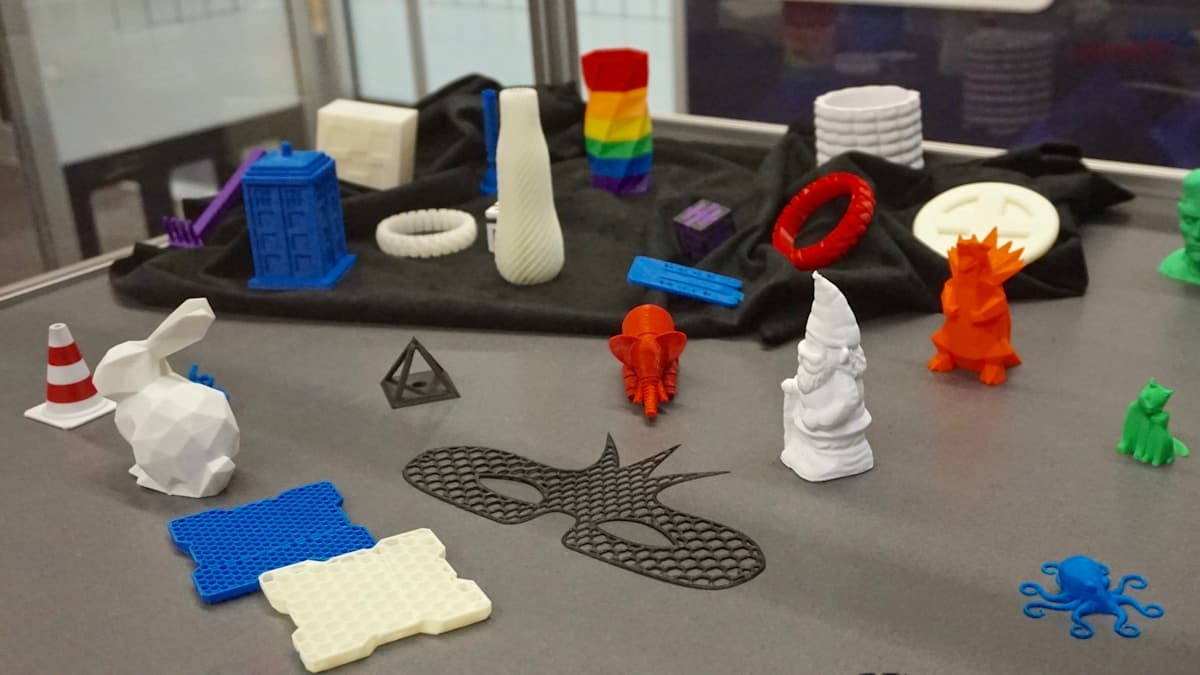
Hero image: Locanam 3D Printing via Unsplash.
Ready to find a 3D printing service provider?
Browse 2,000+ verified providers across the United States and submit your quote request free.
Browse Providers