The short version: if you print ABS, ASA, polycarbonate, or nylon, an enclosure is what stops your parts from warping, cracking, and splitting as they cool. For most people upgrading an open printer, a fire-retardant fabric enclosure like the Creality Fireproof & Dustproof Enclosure is the easiest win; a rigid Wham Bam HotBox-style kit retains heat better and lasts longer; and a universal tent is the budget way to hold chamber heat and cut dust, noise, and fumes. If you'd rather buy a machine that ships enclosed, see Best Enclosed 3D Printers in 2026. And if you only need occasional engineering parts, a service bureau prints them warp-free without you buying anything.
Warping is the single most common reason ABS and ASA prints fail, and it's almost never the printer's fault — it's the room. A cool draft across the bed makes the plastic contract unevenly, and corners lift or layers split. An enclosure fixes the environment instead of fighting the symptom. This guide covers who needs one, the three enclosure types, what to look for, and the best options to buy in 2026.
This post contains affiliate links. If you purchase through these links, 3D Prototyping Hub may earn a small commission at no extra cost to you.
This post also contains Amazon affiliate links. As an Amazon Associate we earn from qualifying purchases.
Why Enclose a 3D Printer
An enclosure does four jobs, and most people buy one for the first:
- Warp-free engineering prints. ABS, ASA, polycarbonate, and nylon shrink as they cool. A stable, warm chamber lets the whole part cool evenly so corners don't lift and layers don't split.
- Fume and particle containment. ABS and ASA release styrene and fine particles. An enclosure concentrates them in one place so you can vent or filter them.
- Dust and draft protection. A sealed chamber keeps dust off the nozzle and print and blocks the cool drafts that ruin tall prints.
- Noise reduction. An enclosure noticeably muffles fan and motor noise — worth a lot in a home office or bedroom.
If you only print PLA, none of these are urgent (and PLA can prefer cooling). The moment you move to engineering materials, the enclosure stops being optional.
The Three Types of Enclosure
- Soft tent (fabric). An insulated flame-retardant fabric box on a frame. Cheap, foldable, holds chamber heat well enough for ABS/ASA. The value pick for occasional engineering prints.
- Rigid panel enclosure. Acrylic or composite panels forming a sealed, insulated box. Better heat retention, durability, and sealing; larger footprint and higher price. Best for constant ABS/ASA work.
- DIY / kit. IKEA-Lack-style builds and panel kits (like the HotBox) that you assemble. More work, often the best insulation per dollar, endlessly customizable for ports and filters.
What to Look For
- Fit. Measure your printer's footprint and its full-motion height (gantry and Z travel), plus room for the spool if it mounts on top. Enclosures are sized by printer class — confirm yours fits.
- Fire retardancy. A printer is a heater running unattended. Choose flame-retardant materials; it's the reason to buy a purpose-built enclosure over a cardboard box.
- Heat retention. Insulated walls hold the 40–50°C chamber that ABS and ASA want. This is the core function — thin, unlined fabric barely helps.
- Ventilation port. A duct or filter port lets you extract fumes. Essential if you print ABS/ASA indoors.
- Access and visibility. A clear window and a zip or hinged door make it easy to watch prints and clear the bed without disassembly.
The Best 3D Printer Enclosures in 2026
1. Creality Fireproof & Dustproof Enclosure — Best Overall Retrofit
Creality's enclosure is the default upgrade for an open Ender-class printer: a fire-retardant, insulated fabric box that drops chamber temperature swings, holds heat for ABS and ASA, and seals out dust while cutting noise. It's the easiest, lowest-risk way to make an open printer handle engineering filaments. Check the current Creality Fireproof & Dustproof Enclosure and confirm it fits your printer's footprint.
2. Wham Bam HotBox V2 — Best Heat Retention
When you print ABS or ASA constantly, a rigid insulated enclosure beats a fabric tent on heat retention and durability. The Wham Bam HotBox assembles into a sealed panel chamber that holds temperature better, resists knocks, and looks clean on a bench. It's the pick if the enclosure will run daily rather than occasionally. Wham Bam sells the HotBox direct rather than through Amazon, so you'll need to order it from them.
3. Universal Enclosure Tent — Best Budget Pick
If you just want to stop drafts from ruining tall prints and keep dust and noise down, a flame-retardant universal tent does it for the least money. You lose some insulation versus a rigid box, but for a first upgrade or an occasional ABS job it's more than enough. Browse universal 3D printer enclosure tents and match the size to your machine.
Prefer to Buy a Printer That's Already Enclosed?
If you're buying new rather than retrofitting, an enclosed machine gives you integrated temperature control and safety features with less tinkering. Anycubic's lineup and other enclosed printers ship ready for engineering materials — see the Anycubic official store, and read Best Enclosed 3D Printers in 2026 for the full comparison.
Buyer Recommendation Summary
- You want the easy, reliable retrofit → Creality Fireproof & Dustproof Enclosure.
- You print ABS/ASA every day → Wham Bam HotBox V2 rigid kit.
- You're on a budget or trying an enclosure for the first time → Universal enclosure tent.
- You're buying a new machine for engineering materials → an enclosed printer, not a retrofit.
- You only need occasional warp-free parts → send the job to a provider.
Don't Forget Ventilation
An enclosure contains fumes; it doesn't remove them. If you print ABS or ASA indoors, add ventilation: run a duct from the enclosure's port to a window, or fit an activated-carbon filter fan. Keep the printer's electronics and power supply within their rated temperature — most enclosures leave the control box outside the heated chamber for exactly this reason. And remember to vent or open the enclosure for PLA, which prefers cooling.
When to Use a Service Instead
An enclosure makes in-house ABS and ASA printing reliable, but it's another piece of gear to buy, fit, and vent. If you only need occasional engineering parts — or a material like polycarbonate or nylon that demands a hot, well-controlled chamber — a provider already runs enclosed, temperature-controlled machines and prints it warp-free without the setup.
Browse the 3D Prototyping Hub directory to order warp-prone parts from a shop that's already equipped. To pick the filament itself, see Best 3D Printer Filaments in 2026; for the tools that go with a home setup, see Best 3D Printing Tool Kits & Accessories in 2026.
Related Resources
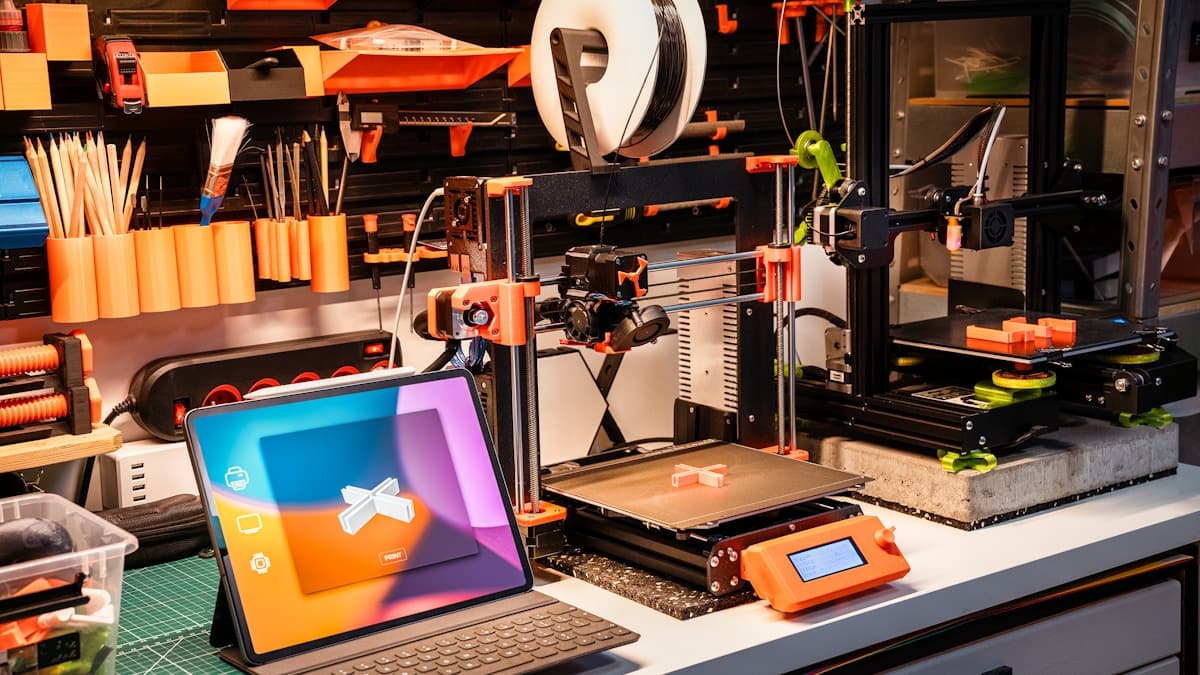
Hero photo by Jakub Żerdzicki on Unsplash. This post contains affiliate links — 3D Prototyping Hub may earn a commission if you purchase through them, at no cost to you. As an Amazon Associate, we earn from qualifying purchases.
Ready to find a 3D printing service provider?
Browse 2,000+ verified providers across the United States and submit your quote request free.
Browse Providers