The fastest way to find 3D printing services in Seattle, WA is the 3D Prototyping Hub Washington directory. Filter to the Seattle metro, pick your technology — FDM, SLA, or SLS — and submit a direct quote request to verified local providers. Most respond within one business day.
Seattle is one of the strongest prototyping markets on the West Coast, and the reason is its industry mix: aerospace, a massive software-meets-hardware sector, medical devices, and a deep outdoor-products culture all generate steady demand for physical parts. That pulls capable additive providers into the metro and keeps them busy.
Why Seattle Is a Strong Market for 3D Printing
A deep aerospace and hardware base. The Puget Sound region anchors one of the country's largest aerospace supply chains, alongside a dense cluster of hardware, robotics, and consumer-electronics companies on the Eastside. That engineering gravity has built up local additive capacity well beyond desktop prototyping — including engineering materials, metal, and short production runs for functional parts.
Software companies building hardware. Seattle and Bellevue host major technology companies whose hardware, devices, and robotics groups prototype constantly. Those teams generate steady demand for housings, fixtures, functional models, and test parts — and they support providers who understand fast, iterative product-development workflows rather than one-off hobby prints.
An outdoor and consumer-products culture. The region's outdoor-gear and consumer-products heritage drives a continuous flow of functional and cosmetic prototypes — from gear components to retail packaging mockups. Combined with one of the most active maker communities in the country, that means Seattle providers are used to working fast with both established brands and early-stage teams.
For functional parts that demand validated materials, the aerospace and medical-device presence also means a subset of Seattle providers carry certifications most metros can't match.
What Seattle Teams Are Printing
The mix of work in this market tracks closely to the industries that drive it, and knowing which bucket your part falls into helps you pick the right provider:
- Aerospace tooling and fixtures. The region's aerospace base generates steady demand for jigs, assembly aids, check gauges, and custom fixtures — usually printed in tough thermoplastics like nylon or ABS, and sometimes in validated materials where traceability matters.
- Hardware and robotics prototypes. Eastside technology companies drive a constant flow of functional prototypes — enclosures, mounts, and mechanical assemblies that move through several iterations before a design freezes.
- Medical-device parts. Seattle's medical-device and life-sciences presence supports providers comfortable with high-accuracy SLA work and the documentation regulated work requires.
- Outdoor and consumer-product models. Gear and consumer brands print functional and cosmetic prototypes — fit models, housings, and presentation pieces — often cycling between FDM iteration and SLA review models.
The practical takeaway: a provider that excels at aerospace tooling isn't automatically the right fit for a high-detail cosmetic prototype or a certified medical part. Identify your use case first, then shortlist providers whose equipment and material range match it.
How to Choose a Seattle 3D Printing Provider
Search the whole metro, not just the city limits. Many of the best-equipped shops sit in Bellevue, Redmond, Kent, Tacoma, or Everett but serve all of Seattle. Limiting your search to the city core leaves capability on the table. Start with the Washington provider listings and narrow to the Seattle area.
Match technology to the job before you shortlist. FDM for functional thermoplastic parts, jigs, and fixtures; SLA for high-detail cosmetic models and casting patterns; SLS for durable nylon assemblies with complex geometry. A shop optimized for one isn't automatically the right call for another — and the best providers will tell you when your part wants a different process.
Confirm materials and certifications up front. If you're printing for an aerospace, medical, or regulated application — common in this metro — verify engineering-grade material availability and any required certifications before you send geometry. Production and certified work is a different conversation than a concept model.
Get two or three quotes on identical geometry. Pricing and lead time vary more than people expect, even within one metro. Comparing the same STL across providers is the only apples-to-apples way to choose. How to Choose a 3D Printing Service walks through the full vetting checklist.
Technologies Available in Seattle
FDM — The most widely available technology in the metro. ABS, PLA, PETG, nylon, and composites for functional prototypes, jigs, and fixtures. Fastest rush turnaround. Lead time: 2–5 days standard, 24–48 hours rush.
SLA — High surface detail and dimensional accuracy for visual models, medical applications, and investment-casting patterns. Lead time: 3–5 days.
SLS — Durable nylon parts with no support structures — the right call for snap fits, living hinges, internal channels, and short production runs. Lead time: 5–7 days.
Metal and engineering grades — Available at a subset of providers serving the region's aerospace and medical-device base, for functional and pre-production parts that demand validated material properties.
If you're not sure which process your part needs, the better Seattle shops will tell you on the quote call — describe how the part functions and let them recommend a material and orientation. That advisory conversation is part of what separates a real service bureau from a print-on-demand button, and it's a good signal to weigh when you choose a provider.
When In-House Printing Helps
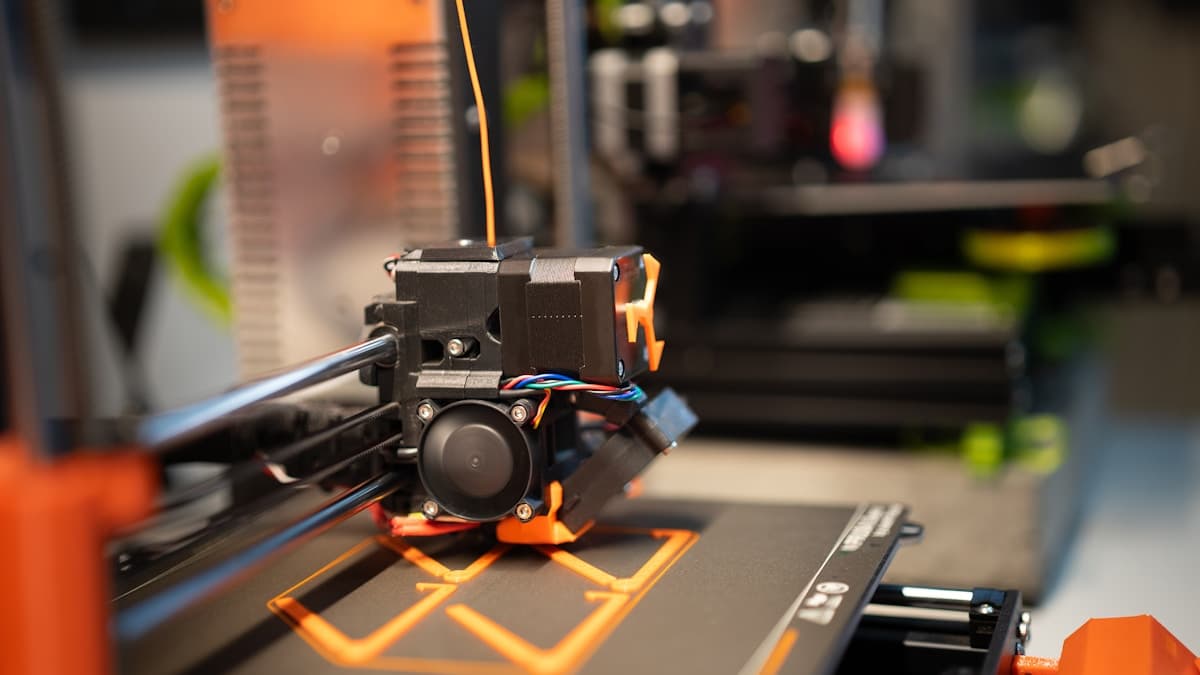
For the early-iteration work — the fit checks and concept models you cycle through before committing to a bureau order — a desktop FDM machine on-site removes the wait entirely.
This doesn't replace a Seattle bureau for SLA, SLS, nylon production, metal, or certified work — but for the rapid back-and-forth of early design, in-house plus a local provider is the fastest combination.
Request a Quote From Seattle Providers
When you're ready for production-grade parts, browse the Washington directory, shortlist two or three providers that run the technology your part needs, and submit a quote request on the same file to each. You'll have comparable quotes back, usually within a business day. Run a 3D printing shop in the Seattle metro and aren't listed yet? Claim your listing to start receiving quote requests from local buyers.
Related Resources
- How to Choose a 3D Printing Service — evaluation criteria for any provider
- 3D Printing & Prototyping Service Overview — how service bureaus structure their offerings
- SLA vs. FDM Printing Explained — choose the right technology before you order
- Washington Provider Directory — browse verified Seattle-area providers
Hero photo by Jakub Żerdzicki on Unsplash.